Adjustable vs Fixed Dumbbells: Which Should You Buy for Home Training?
Dumbbells are usually the first serious purchase for anyone training at home, and the first big decision is simple to ask but harder to answer: adjustable vs fixed dumbbells. Both build strength, both work for beginners and experienced lifters, and both have trade-offs. This guide compares them on weight range, space, value and long-term progress, so you can choose the right dumbbells for home training with confidence.
What is the difference between adjustable and fixed dumbbells?
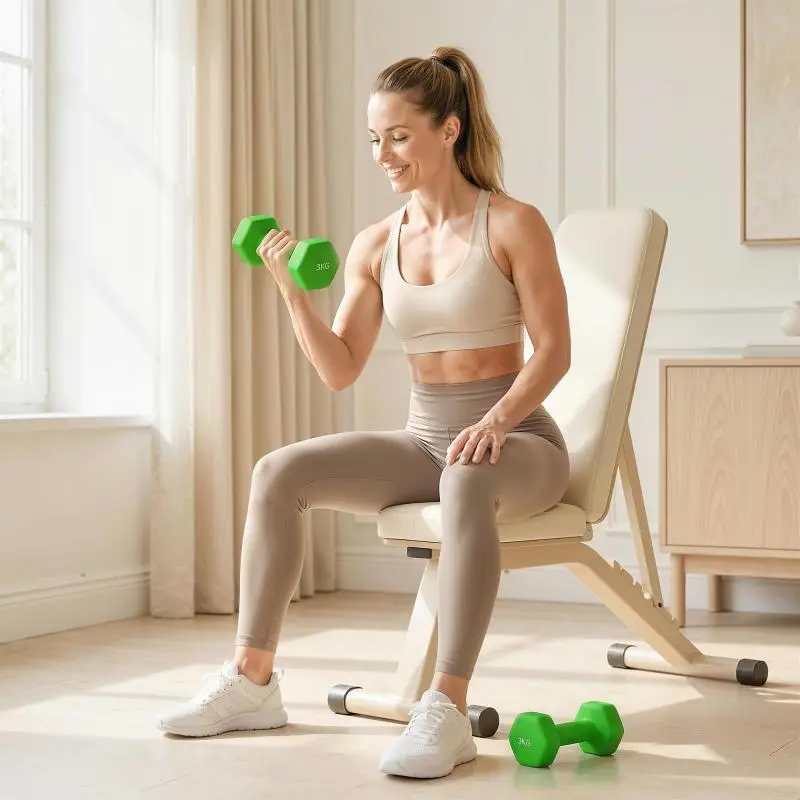
Fixed dumbbells have a set weight that cannot be changed. Each pair is one load, so a collection usually means several pairs in different weights. They come in various styles, such as hex dumbbells with flat sides, round dumbbells and neoprene or vinyl-coated versions for lighter loads.
Adjustable dumbbells let you change the weight on a single pair of handles. There are two main types:
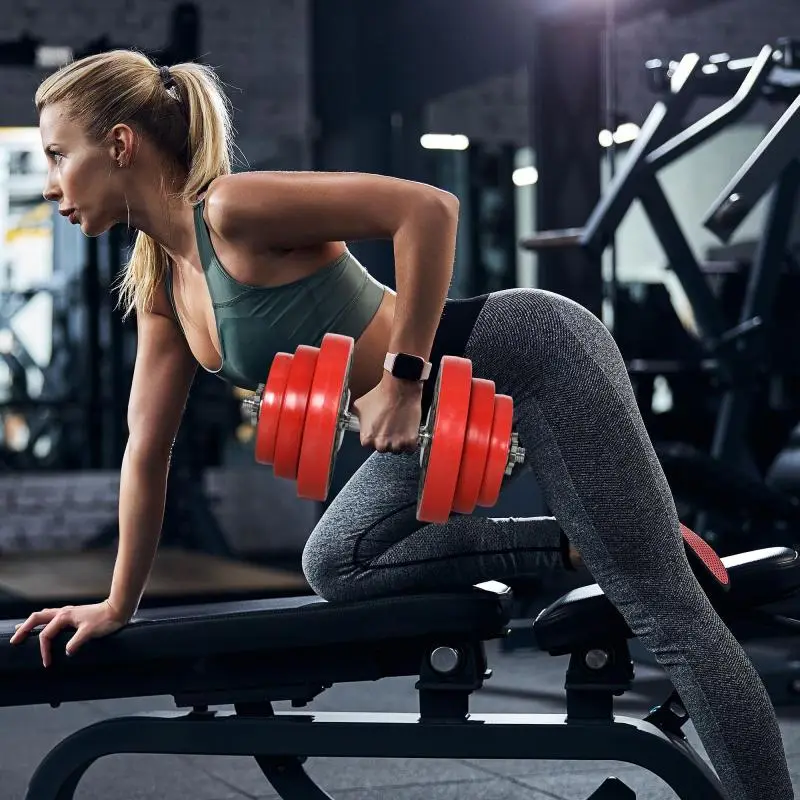
- Spin-lock or plate-loaded dumbbells, where you slide weight plates onto a threaded or straight handle and secure them with collars.
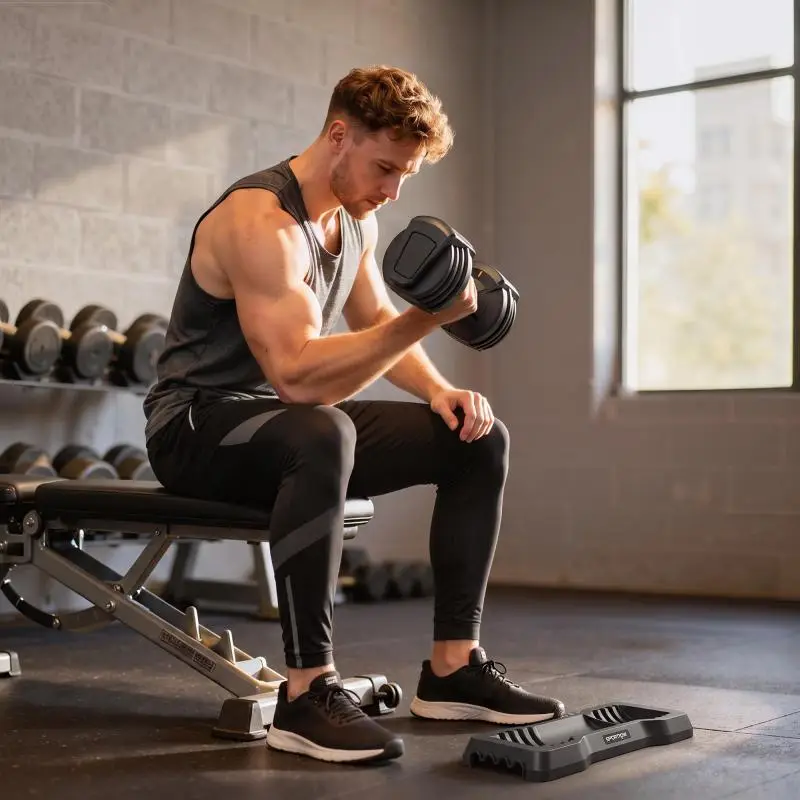
- Selector-style dumbbells, where you change the load with a dial, pin or lever while the dumbbell sits in its tray.
Both approaches give you a range of weights from one compact pair, but they feel different to use and adjust.
Weight ranges: how much do you actually need?
The right weight range depends on your goals, experience and the exercises you plan to do. Bigger muscle groups, such as your legs and back, can usually handle heavier loads than smaller ones, such as your shoulders and arms.
- Fixed dumbbells cover exactly the weights you buy. If you choose a few light, medium and heavy pairs, you can train most of the body, but there will be gaps between them.
- Adjustable dumbbells cover a range in steps. Check two things on any product listing: the maximum weight per dumbbell and the increment size between settings. Smaller increments make it easier to progress gradually.
A useful exercise is to list the main movements you plan to do, such as goblet squats, rows, presses and lunges, and think about whether you will need light, moderate or heavy loads for each. That quickly shows whether a couple of fixed pairs will do, or whether a wider adjustable range makes more sense.
Space and storage at home
Space is often the deciding factor in the adjustable vs fixed dumbbells debate, especially in flats.
Fixed dumbbells
- Each extra weight is another pair to store.
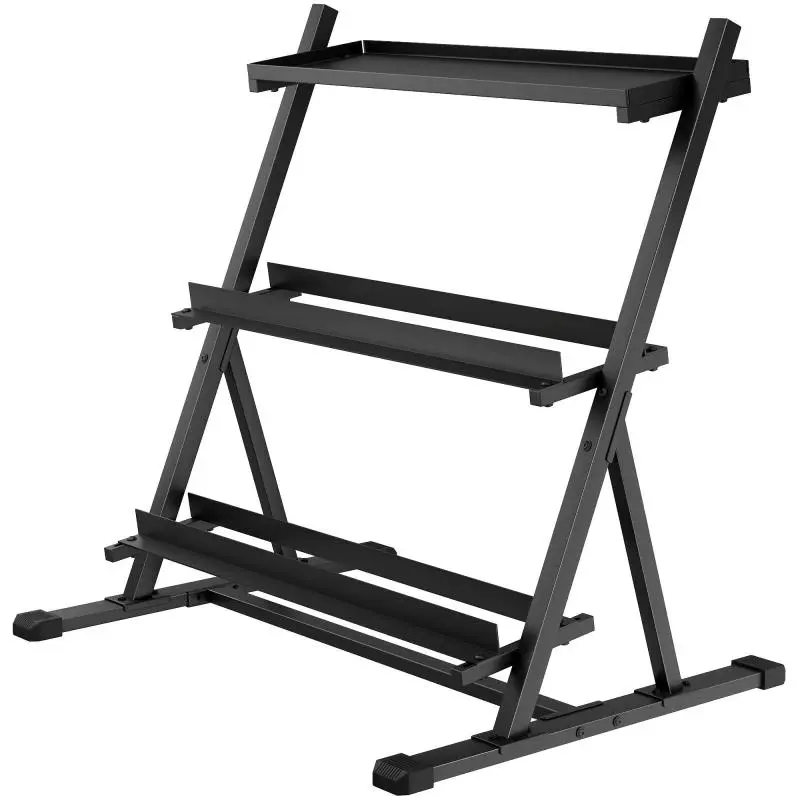
- A full range usually needs a dedicated rack.
- Grab-and-go convenience: no adjusting between sets.
Adjustable dumbbells
- One pair replaces several fixed pairs.
- Selector-style sets usually sit in their own tray or stand.
- Plate-loaded sets need somewhere to keep the loose plates and collars.
If your home gym is a corner of the living room, a single adjustable pair is generally easier to live with. If you have a spare room or garage and a rack, fixed dumbbells become much more practical.
Price logic: thinking about value, not just cost
Prices vary widely by brand, material and weight, so rather than focusing on a figure, think about what you are paying for.
- Fixed dumbbells are usually priced by the weight and finish. A couple of pairs is an affordable way to start, but building a full range adds up over time.
- Adjustable dumbbells represent several weights in one purchase. The more of their range you will actually use, the better the value.
- Plate-loaded adjustable sets are often a budget-friendly middle ground, and you may be able to add more plates later.
- Selector-style sets pay off in speed and convenience, which matters if you like supersets or circuit training.
A simple test: count how many different weights you expect to use regularly. If it is only two or three, fixed pairs may be enough. If it is five or more, adjustable dumbbells start to look like the more sensible buy.
Adjustable vs fixed dumbbells for beginners
If you are new to strength training, either option can work well. The key is being able to use correct form and progress gradually.
Fixed dumbbells may suit beginners who:
- Want something simple with nothing to adjust.
- Plan to focus mainly on a small number of exercises.
- Are happy to buy the next weight up when they are ready.
Adjustable dumbbells may suit beginners who:
- Want room to grow without buying more equipment later.
- Have limited space at home.
- Like to follow varied programmes with different exercises.
Whichever you choose, start lighter than you think you need. Learning good technique first makes later progress safer and more consistent.
Progression and long-term training
As you get stronger, you need gradually more challenge, and this is where the difference between adjustable and fixed dumbbells becomes clearer.
- Small jumps matter. Moving up in small steps helps you keep good form. Adjustable dumbbells with fine increments make that easier.
- Fixed dumbbells require planning. Progressing usually means buying the next pair, so you may also progress by adding reps, sets or slowing the tempo.
- Heavier lifting needs stability. Check that any dumbbell feels secure in your hand. With adjustable models, always make sure plates, collars or selectors are fully locked before lifting.
- Training style counts. If you often switch weights quickly, such as in drop sets or circuits, fixed dumbbells or fast selector-style models are more convenient than spin-lock collars.
If you have an existing injury or a health condition, speak to a doctor or physiotherapist before increasing your training load.
Quick checklist before you buy
- What is the heaviest weight I am likely to need in the next year?
- How small are the steps between weights?
- Where will the dumbbells live when I am not training?
- Do I want to change weights quickly mid-workout?
- Do I need a rack, tray or mat to protect my floor?
Frequently asked questions
Are adjustable dumbbells worth it for home training?
For many people training at home, yes. They save space and replace several pairs of fixed dumbbells, which is useful in smaller homes. They are particularly worth considering if you plan to train regularly and progress over time.
Are fixed dumbbells better than adjustable dumbbells?
Neither is better in every situation. Fixed dumbbells are simple and quick to use, with nothing to adjust, while adjustable dumbbells offer more weights in less space. The right choice depends on your room, routine and goals.
What weight dumbbells should a beginner buy?
It depends on your current strength and the exercises you plan to do. Many beginners start with a light to moderate weight they can lift for the target number of reps with good form. If you are unsure, an adjustable set gives you flexibility while you find your level.
Choosing your set
The adjustable vs fixed dumbbells question comes down to space, how many weights you will really use and how you like to train. Fixed pairs are simple and robust; adjustable dumbbells are compact and flexible. When you are ready to compare options, browse the KOLBOS fitness range for dumbbells, benches and racks, shipped free from EU warehouses and delivered across Europe with no customs fees.