The Family Camping Checklist for European Campsites
The car is loaded, the children are asking how long until you arrive, and somewhere on the motorway you remember the tent pegs are still in the garage. A good family camping checklist exists to stop that moment from happening. Whether you are heading to a lakeside site in the Alps, a pine-shaded pitch on the Atlantic coast or a quiet farm campsite a short drive from home, the same core kit will make the trip calmer for everyone.
This guide works through what to pack, section by section, so you can adapt it to your family, your car and the kind of camping you enjoy.
Before you pack: campsite or wild camping?
Start by deciding where you will actually sleep, because it shapes everything else on your list.
Organised campsites are the easiest choice for families. Most offer marked pitches, toilet and shower blocks, drinking water and often electric hook-ups, a small shop or a play area. You can pack more comfort items and rely on facilities for washing up and showering.
Wild camping means pitching outside a formal site, and the rules vary a great deal across Europe. In some countries and regions it is broadly tolerated with conditions, in others it is restricted or not permitted, and national parks and protected areas often have their own regulations. Always check the local rules for the exact area you are visiting before you go, and respect private land, fire restrictions and leave-no-trace principles. With children, wild camping also means carrying your own water, waste bags and toilet solution, so the checklist grows quickly.
For a first family trip, a campsite gives you a safety net while everyone gets used to life outdoors.
Shelter: tent and pitching essentials
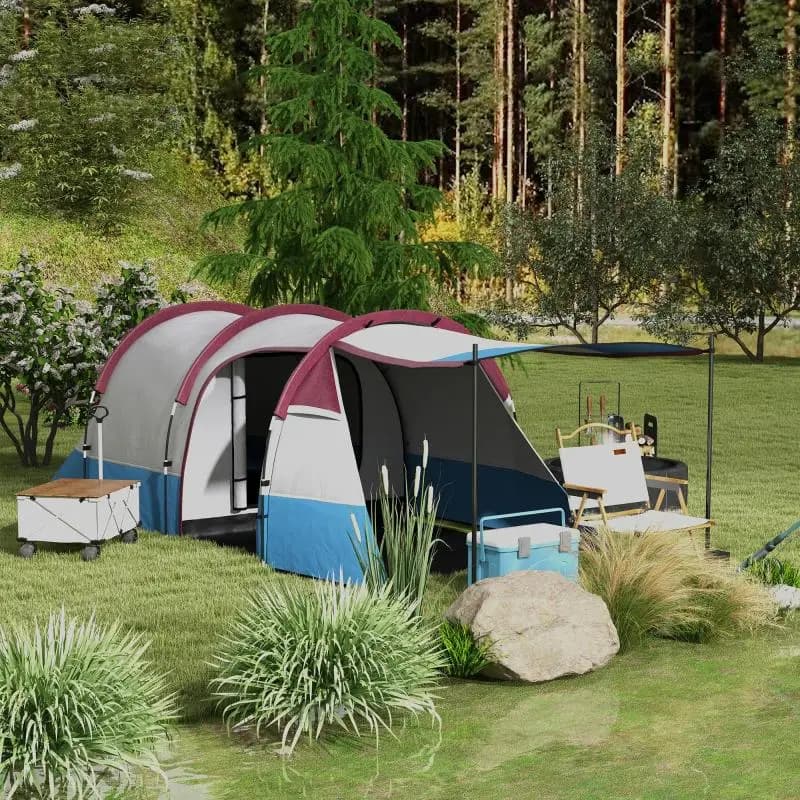
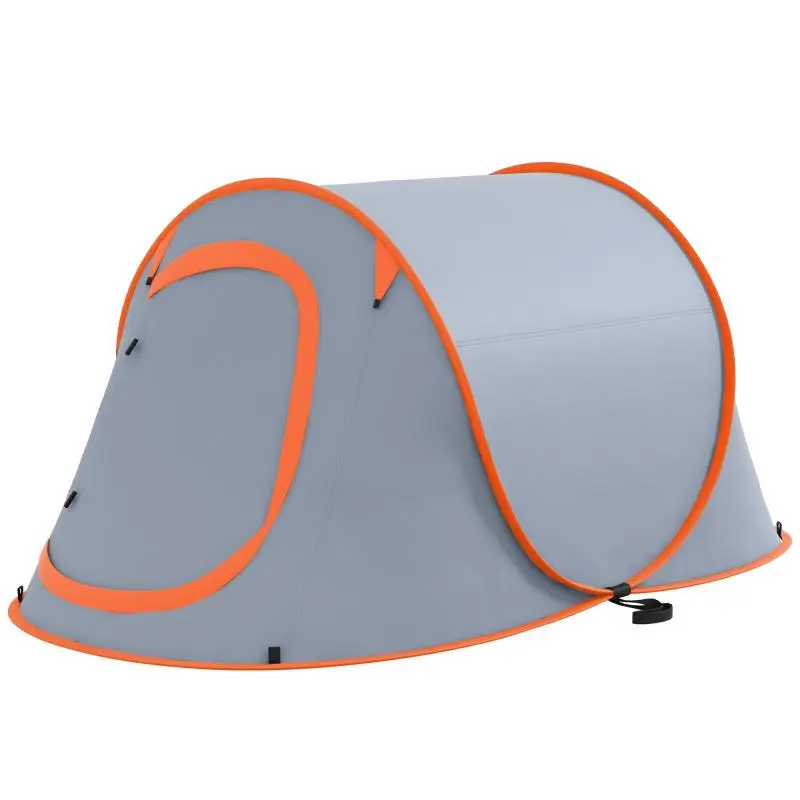
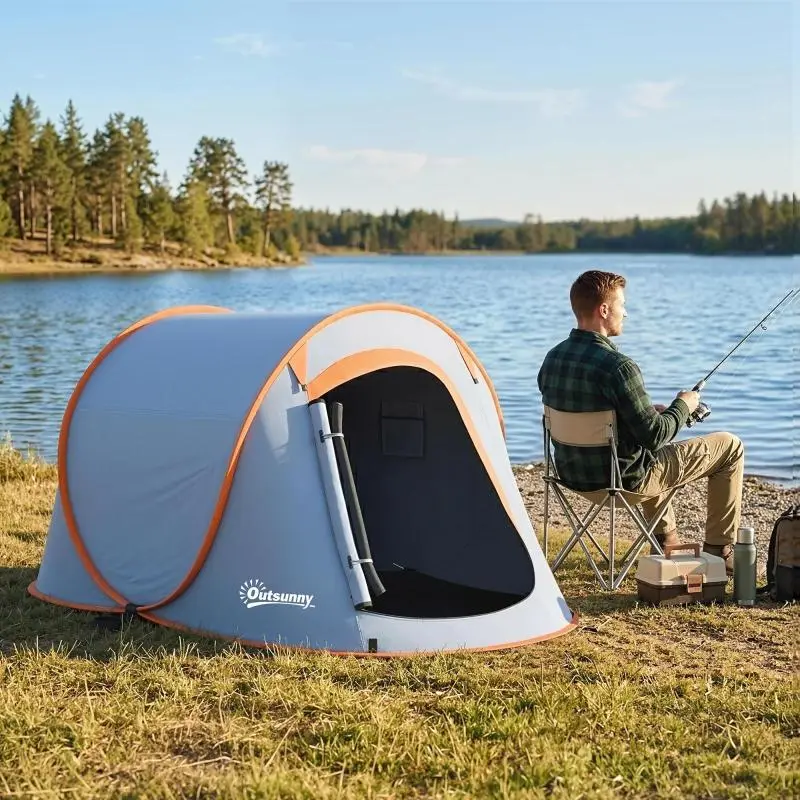
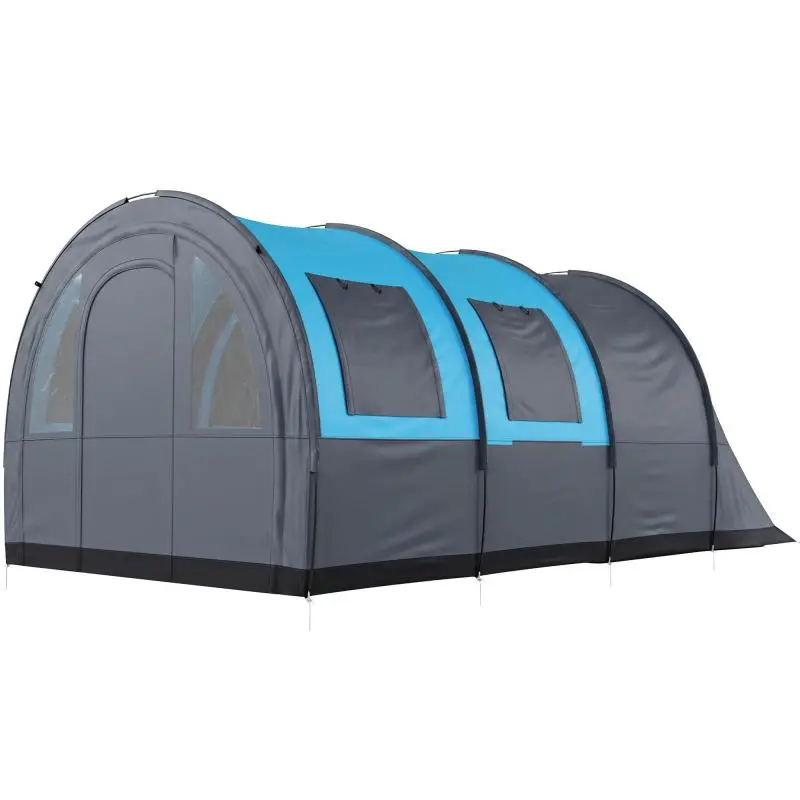
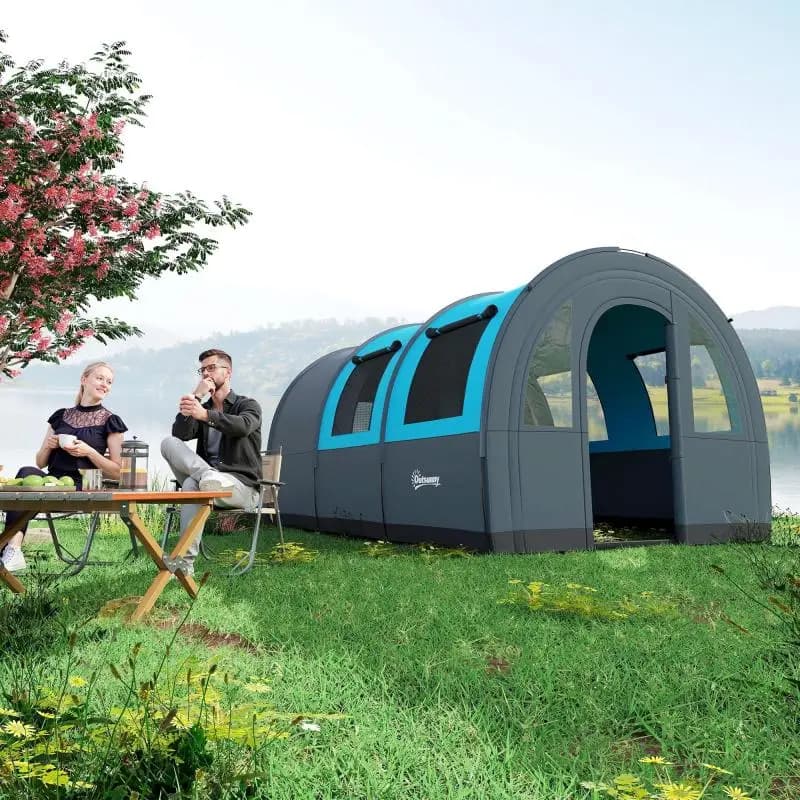
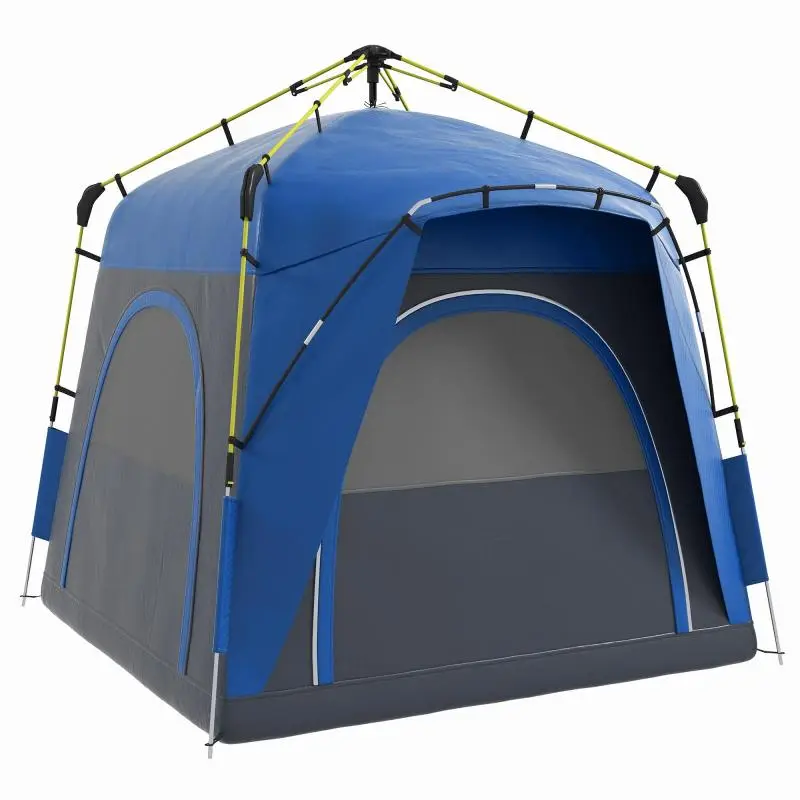
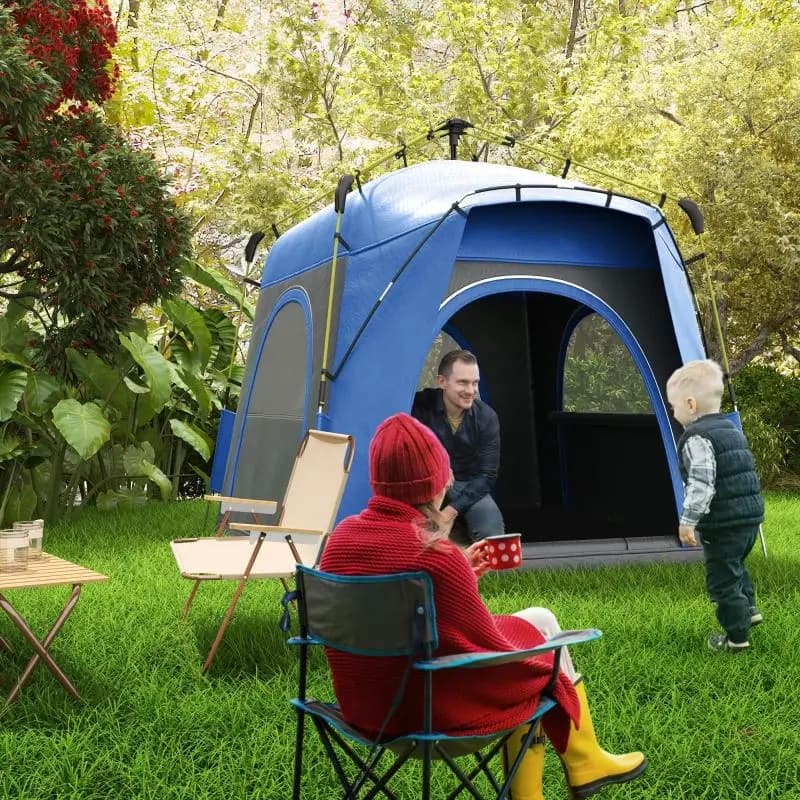
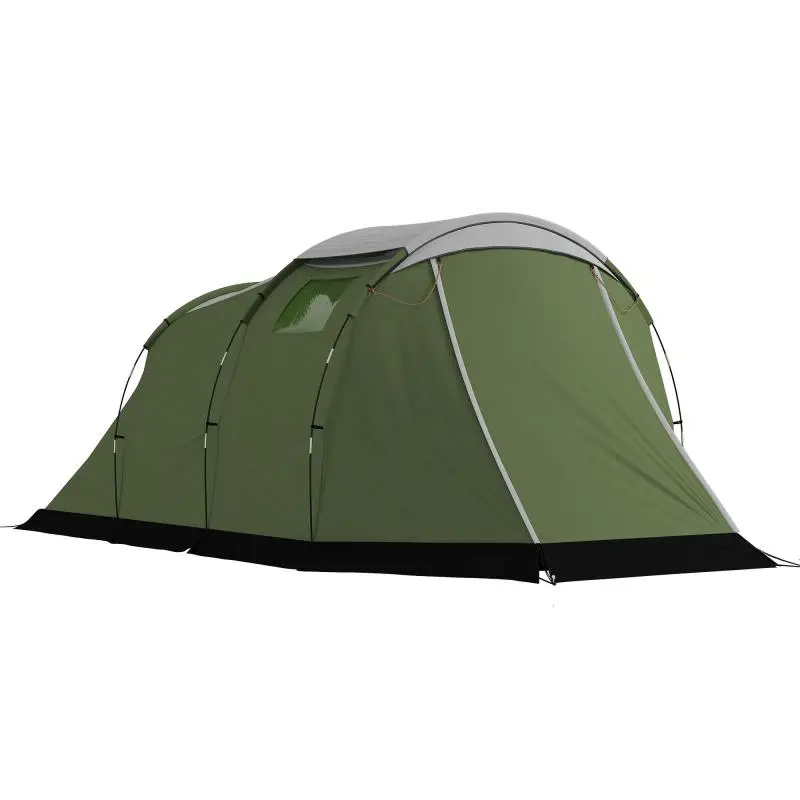
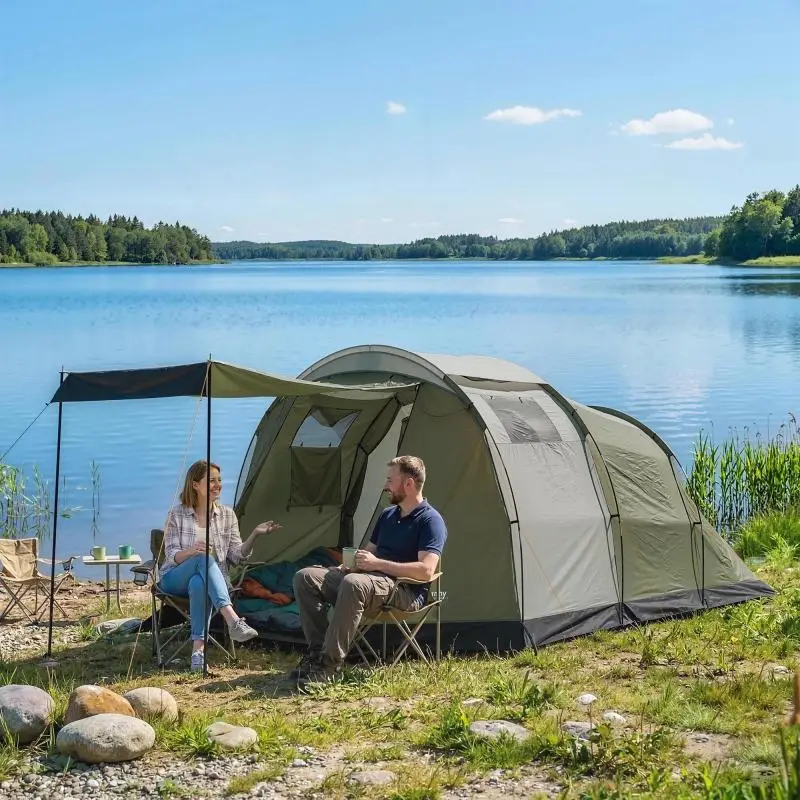
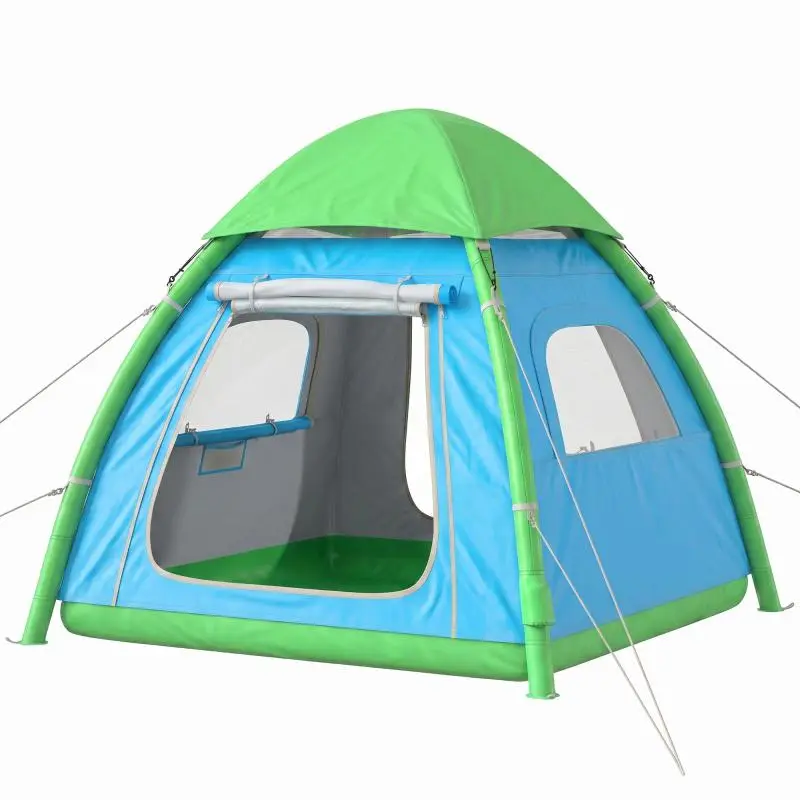
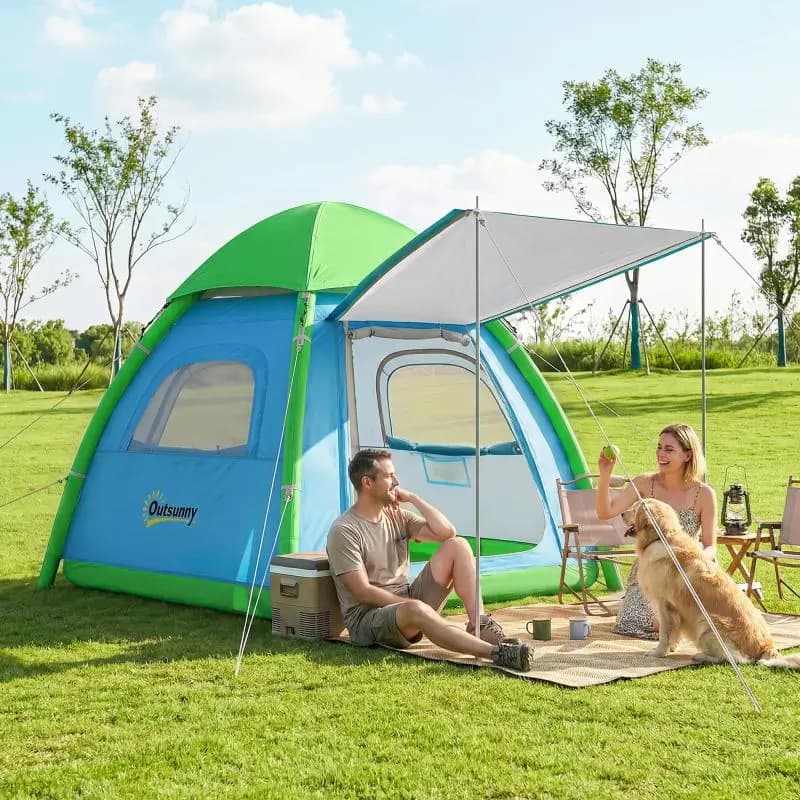
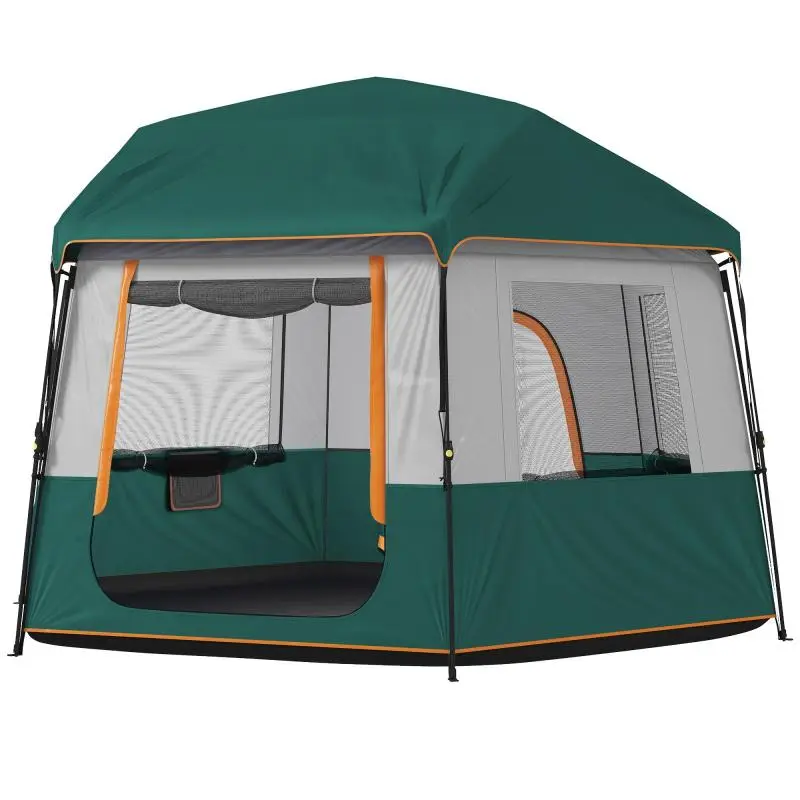
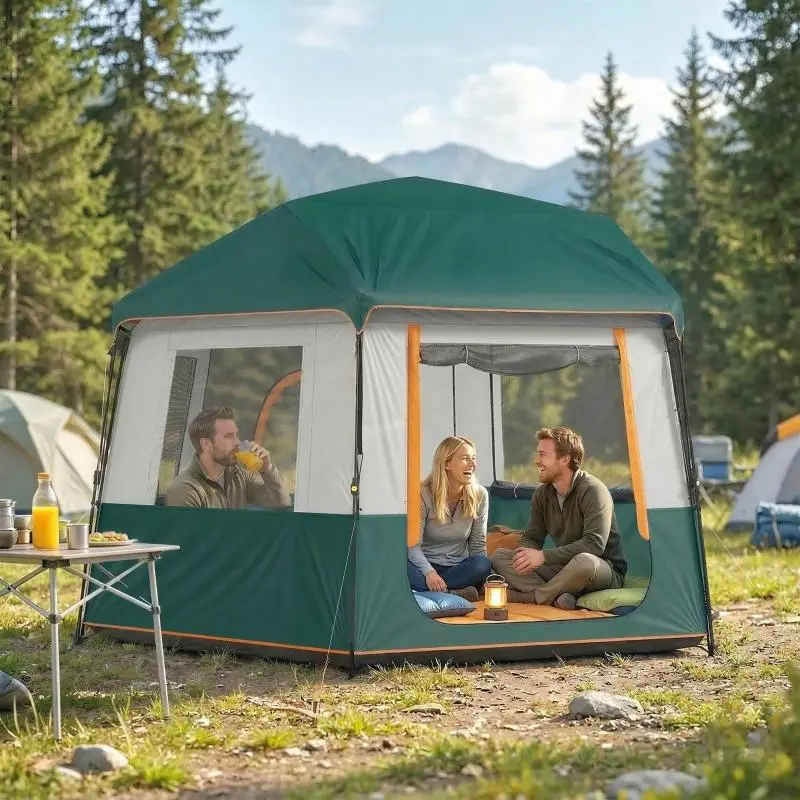
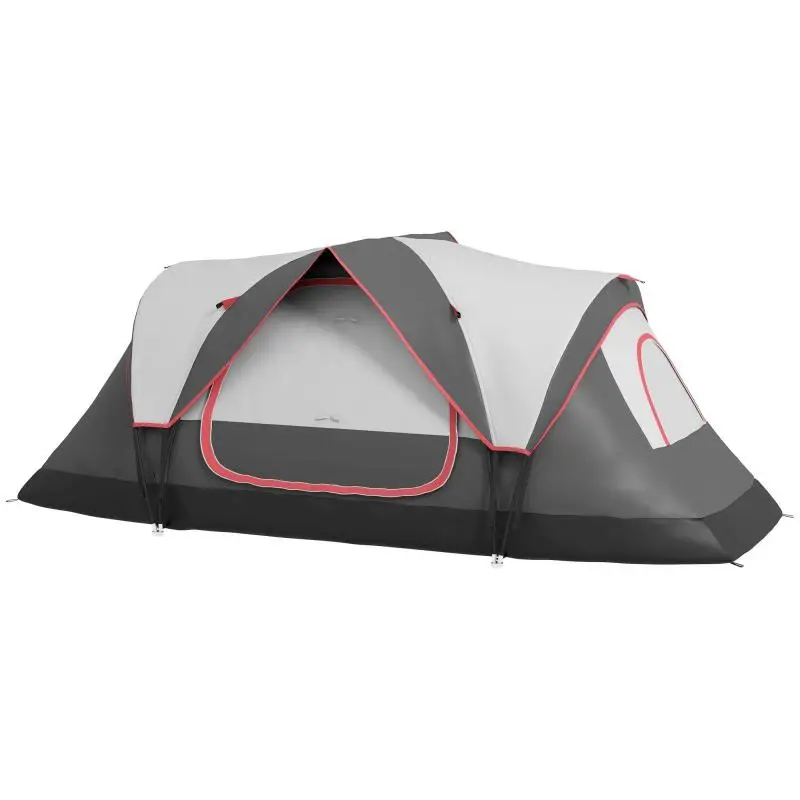
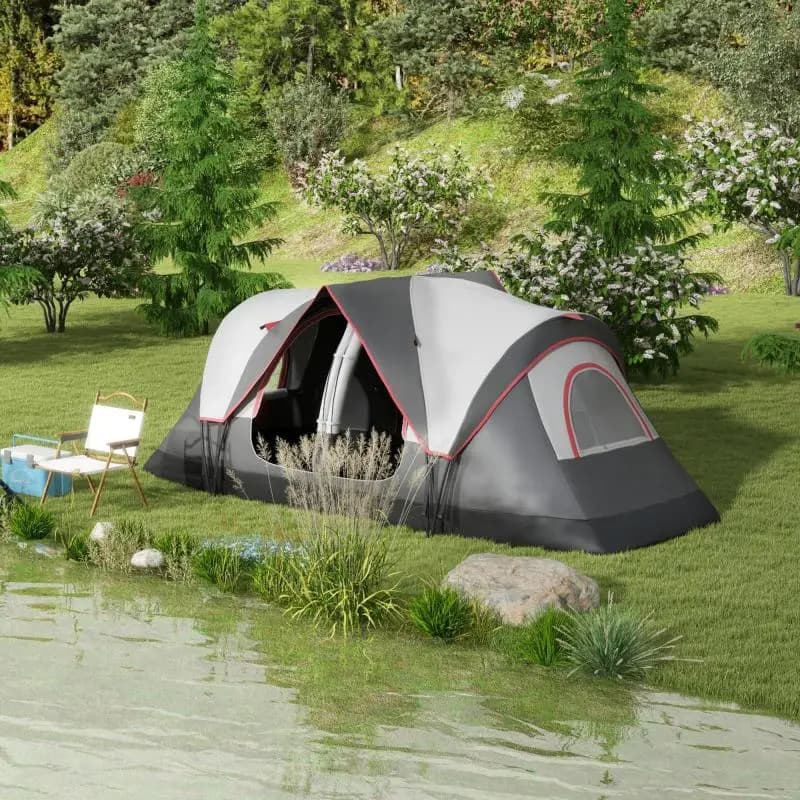
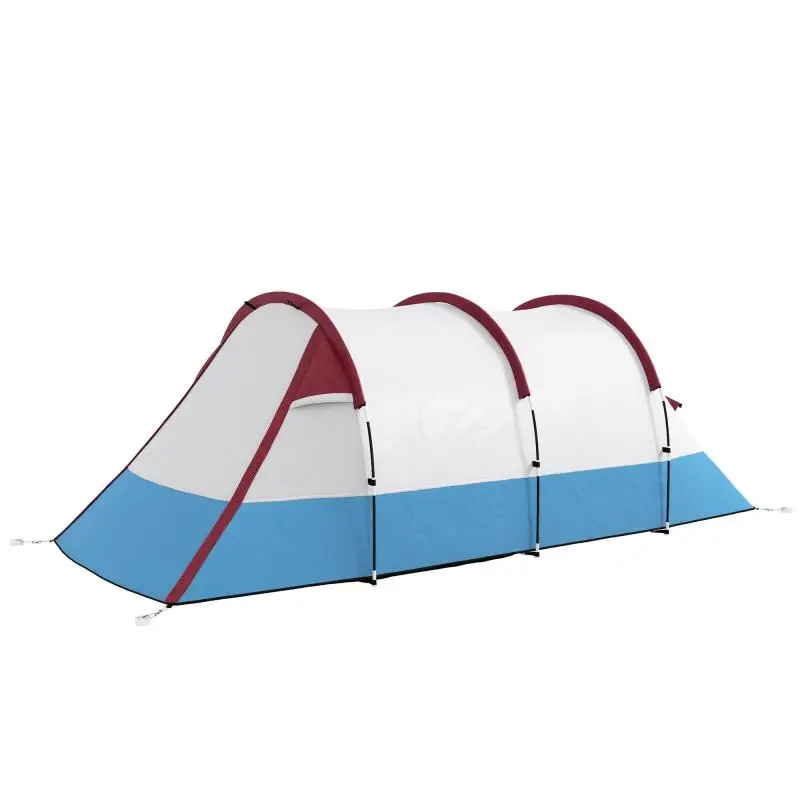
Your tent is the centre of the trip, so choose it for the family you have, not the one in the catalogue photo.
- Tent with room to spare. A common rule of thumb is to size up from the number of sleepers so there is space for bags and wet clothes. Separate bedroom pods and a porch or living area make a big difference with children.
- Footprint or groundsheet protector to guard the floor against stones and damp.
- Spare pegs and a mallet. Campsite ground ranges from soft grass to hard, stony soil, so a mix of peg types helps.
- Guy lines and a small repair kit with tape and a few spare pole sections or a pole splint if your tent supports one.
- Windbreak or tarp for shade, privacy and sheltered cooking.
Do a practice pitch in the garden or a park before you leave. It shows you whether anything is missing and turns the first evening at the campsite into a quick job rather than a puzzle in the dark.
Sleeping kit for a good night's rest
Tired children make for long days, so sleep deserves serious attention on any family camping checklist.
- Sleeping bags suited to the season. Check the comfort temperature rating rather than the extreme rating, and remember that nights in mountains or near the coast can be cooler than you expect, even in summer.
- Sleeping mats, self-inflating pads or airbeds. Insulation from the ground matters as much as cushioning.
- Pump for airbeds, plus a repair patch.
- Pillows or inflatable camping pillows.
- Extra blanket or fleece for each person, which can be used as a layer at night or around the table in the evening.
- Familiar comfort items for younger children, such as a favourite toy or their own pillowcase.
Camp kitchen and cooking
Eating well keeps morale high, and a simple, organised kitchen saves time every day.
- Camping stove with enough fuel for the trip. Check which gas cartridges or fuel types are easy to buy in the country you are visiting.
- Lighter or matches kept in a waterproof bag.
- Pans, a kettle and a frying pan, ideally nesting to save space.
- Plates, bowls, cups and cutlery for each person, plus a few spares.
- Chopping board, sharp knife, tin opener and bottle opener.
- Cool box with ice packs. Many campsites let you refreeze packs for a small fee, so ask on arrival.
- Water carrier for collecting drinking water from the tap.
- Washing-up bowl, biodegradable washing-up liquid, sponge and tea towels.
- Bin bags and a separate bag for recycling, as many European sites ask you to sort waste.
- Folding table and chairs so meals do not happen on the ground.
Plan simple meals for the first night, such as pasta or something pre-prepared, so you are not cooking an ambitious dinner straight after pitching the tent.
Lighting and power
Darkness arrives quickly at a campsite, and children are far happier when they can see.
- Head torch for every family member. It keeps hands free for cooking or a night-time walk to the toilet block.
- Lantern for the tent and another for the table.
- Spare batteries or rechargeable lights with a way to charge them.
- Power bank for phones and small devices.
- Electric hook-up cable and adaptor if your pitch has power. European campsites may use different socket types, so check what your site uses in advance.
Comfort and safety: the rest of your family camping checklist
The small extras are often what turn a camping trip from endurable into genuinely enjoyable.
- Layered clothing: base layers, a warm fleece and a waterproof jacket for everyone, whatever the forecast.
- Sturdy shoes and easy slip-on footwear for the shower block.
- Sun hats, sun cream and sunglasses.
- Insect repellent, especially near lakes and forests.
- First aid kit with plasters, antiseptic wipes, tweezers for splinters and ticks, and any personal medication your family needs.
- Quick-dry towels and a washing line with pegs.
- Toiletries in a hanging wash bag that keeps things off wet floors.
- Doormat at the tent entrance to cut down on mud and sand inside.
Keeping the kids happy
Children usually love camping, but a little planning helps on rainy afternoons and long evenings.
- Outdoor games: a ball, frisbee, skipping rope or badminton set.
- Rainy-day box with cards, small board games, colouring books and a few books.
- Nature kit: a magnifying glass, small notebook and pencils for collecting things they spot.
- Bikes or scooters if the campsite allows them, which can keep older children busy on site paths.
- Simple jobs such as fetching water or collecting rubbish, which helps them feel part of the trip.
Agree a few campsite rules at the start, such as staying within sight, a meeting point if anyone gets separated and quiet time in the evening, which most sites expect.
Frequently asked questions
What is the most important item on a family camping checklist?
A tent that fits your whole family comfortably, followed closely by warm, well-insulated sleeping kit. If people sleep well and stay dry, almost everything else can be improvised or bought nearby.
Can I wild camp anywhere in Europe?
No. Rules on wild camping differ between countries, regions and even individual parks, and in some places it is restricted or not allowed. Check the official local guidance for the area you plan to visit before you go, and choose a campsite if you are unsure.
How can I keep the packing list manageable with young children?
Pack by category in labelled boxes or bags, such as kitchen, sleeping and clothing, and keep a printed checklist you tick off before each trip. After the holiday, note anything you did not use or wished you had, and adjust the list for next time.
Ready for your next trip
The best family camping trips are built on reliable basics and a list you trust, so you can spend less time hunting for the torch and more time by the lake. If you are filling gaps in your kit, take a look through our camping range, with tents, sleeping gear and campsite essentials shipped free from EU warehouses and typically delivered within about 2 to 5 days, with no customs fees to worry about.